
A caregiver assisting a senior at home — the everyday setting of many caregiver sponsorship jobs.
JOB DETAILS — AT A GLANCE
| Detail | What to Know |
|---|---|
| Category | Visa Sponsorship Jobs |
| Location | United States |
| Job Type | Full-time, part-time, and live-in arrangements (varies by employer) |
| Work Mode | On-site with clients (private homes and care facilities) |
| Education Required | High school diploma or equivalent is commonly requested |
| Experience Required | Caregiving or health support experience is preferred by most employers |
| Skills Required | Patience, clear communication, basic health monitoring, safe mobility assistance |
| Salary/Pay | Varies by role — check the official advert; no figure is stated here |
| Who Can Apply | International care workers eligible for a qualifying US work visa |
| How to Apply | Apply through the employer’s official careers page or verified job posting |
If you are a caregiver outside the United States and you dream of working legally in America, caregiver sponsorship jobs are the phrase you will keep coming back to. The idea is simple: a US employer offers you a caregiving role and supports your work visa application so you can enter and work lawfully.
This guide explains how caregiver sponsorship jobs actually work, which visa paths people usually ask about, what the day-to-day duties look like, and — most importantly — how to search safely. Caregiving is meaningful work, but the sponsorship side of it attracts scams. Read carefully, and you will know the difference between a genuine opportunity and a trap.
Table of Contents
- 1. What caregiver sponsorship jobs Really Mean
- 2. The Visa Paths Caregivers Commonly Ask About
- 3. Typical Caregiver Duties You Should Expect
- 4. Skills and Qualifications Employers Look For
- 5. Where to Search for Sponsorship Listings Safely
- 6. How to Apply
- 7. What to Avoid
- 8. Growing Your Caregiving Career in the USA
- Frequently Asked Questions
- Conclusion
1. What caregiver sponsorship jobs Really Mean
The phrase caregiver sponsorship jobs sounds like one single job type, but it is really a combination of two things: a caregiving role and an employer’s willingness to sponsor a work visa. Sponsorship means the employer files paperwork with US immigration authorities on your behalf, and the job offer is tied to that petition.
A few honest facts make the picture clearer:
- Not every care employer can or will sponsor. Sponsorship costs the employer time and money, so only certain organizations take it on.
- A job advert that says “visa sponsorship available” still has to match a real, qualifying visa category. The words in the advert do not create eligibility by themselves.
- You cannot buy sponsorship. Any offer that asks you to pay for the visa petition itself is a red flag.
caregiver sponsorship jobs also cover a range of settings. Some roles are in private homes, where you support one client with daily life. Others are in assisted living facilities or home-care agencies that assign you to several clients. The duties overlap, but the schedule, supervision, and training differ.
Before you get your hopes up about any posting, check whether the employer names the visa category and explains the process. Vague promises such as “we handle everything” deserve a second look.
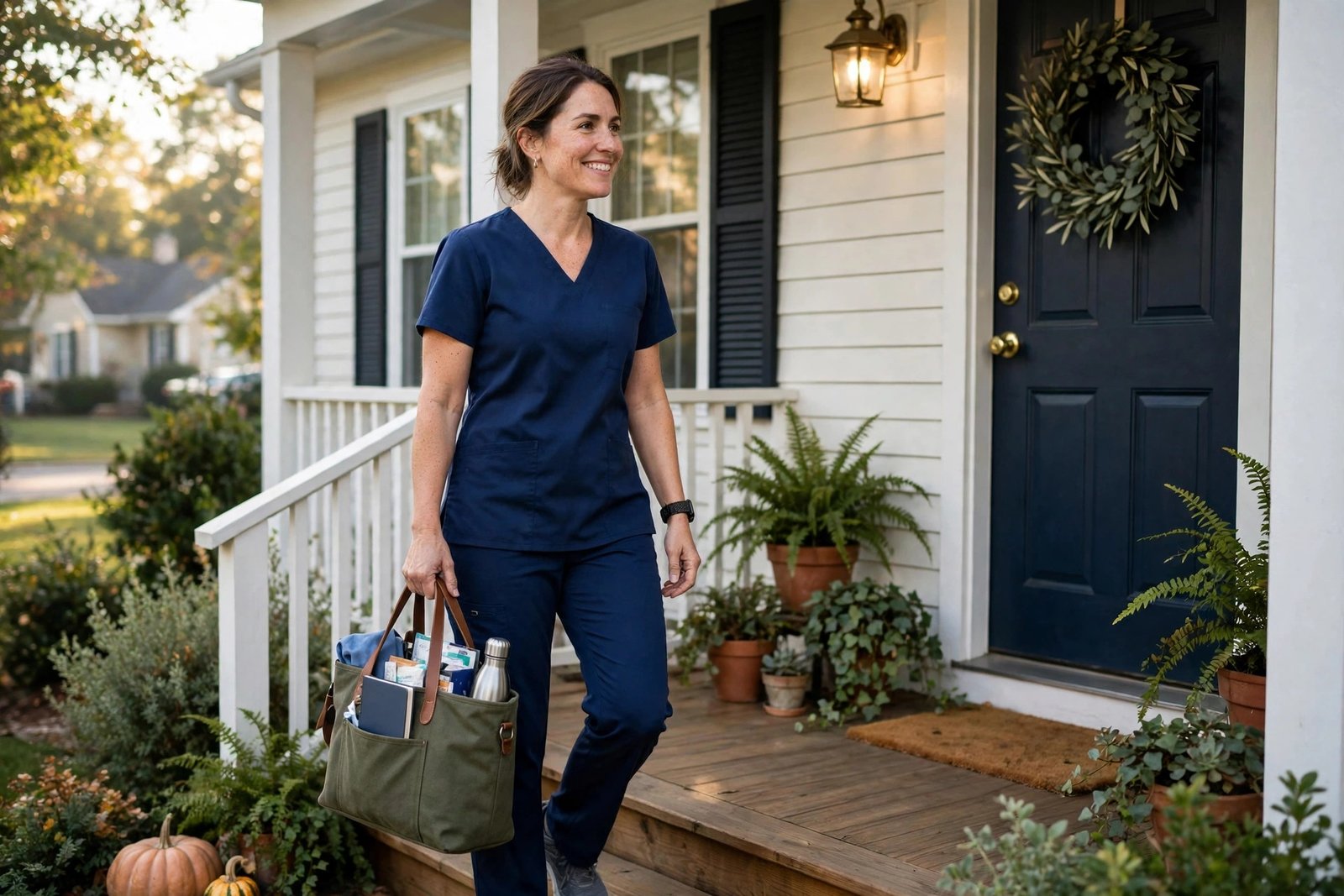
A home care worker arriving for a visit — many caregiver sponsorship jobs begin with agency placements like this.
2. The Visa Paths Caregivers Commonly Ask About
There is no single “caregiver visa.” Instead, caregivers enter through whichever existing visa category fits their situation. Because immigration rules change, always confirm current requirements on official government sources rather than trusting a recruiter’s summary.
Here are the categories people most often ask about:
- Employment-based immigrant visas (such as EB-3): These are for workers whose US employer petitions for them to become permanent residents. The process is long and employer-driven, and the employer must follow labor certification steps. You can read an overview in our guide to EB-3 visa sponsorship jobs.
- Temporary work visas (such as H-2B): These cover temporary non-agricultural jobs when the employer shows a genuine temporary need. The job must be temporary by nature, which does not fit every caregiving role. Our guide to H-2B visa sponsorship jobs explains how this category works.
- Other employer-sponsored routes: Depending on your qualifications, other categories may apply. A broad overview of sponsorship jobs in the USA can help you compare the options before focusing on one.
What you should never do is assume that a job title alone guarantees a visa. The employer, the job duties, and the timing all have to line up with the category’s rules. That is why careful employers ask about your background early — they are checking whether sponsorship is even realistic before making promises.
A practical tip: learn the official names of these categories. When you understand the difference between an immigrant petition and a temporary work visa, scam adverts become much easier to spot.
3. Typical Caregiver Duties You Should Expect
Honest caregiver sponsorship jobs come with a clear list of duties. If the advert is vague about what you will actually do each day, ask before you sign anything. Here are the duties most caregiver roles share, drawn from how the work is normally described:
- Helping clients with personal care such as bathing, dressing, and grooming.
- Preparing simple, nutritious meals and assisting with feeding when needed.
- Supporting safe movement around the home, including transfers and walking.
- Reminding clients to take medications on schedule (not prescribing or adjusting doses).
- Keeping the client’s living space clean, tidy, and safe from fall hazards.
- Noting changes in the client’s condition and reporting them to a supervisor or family member.
- Offering companionship and conversation, which matters more than many people expect.
- Accompanying clients to appointments or outings when the care plan includes it.
- Documenting the day’s care activities accurately in the agency’s records.

Care workers sharing notes during a handover — teamwork is part of most caregiver sponsorship jobs.
Notice what is not on this list: medical treatment, diagnoses, and medication decisions. Caregivers support nurses and doctors; they do not replace them. Any employer that asks you to perform medical procedures without proper certification is not one you want to work for.
The exact mix of duties depends on the client. A fairly independent senior may mainly need company and light housekeeping, while a client with limited mobility needs hands-on physical support. Good agencies explain this during the interview so you know what you are agreeing to.
4. Skills and Qualifications Employers Look For
You do not need a medical degree to work in most caregiver sponsorship jobs, but employers do look for a consistent set of qualities and basic credentials.
Personal qualities that matter most:
- Genuine patience and a calm manner, especially with clients who are confused or frustrated.
- Clear, kind communication in the language the client speaks.
- Reliability — clients depend on you showing up on time, every time.
- Physical stamina for a role that keeps you on your feet.
- Emotional steadiness when the work gets sad or difficult.
Credentials and background that strengthen your application:
- A high school diploma or equivalent, which many agencies require at minimum.
- Prior caregiving, nursing aide, or home support experience, even from your home country.
- First aid and CPR certification, which some employers ask for before your start date.
- A clean background check, since you will work in vulnerable people’s homes.
- A health screening or tuberculosis test, which many care employers require.
Formal caregiver training certificates help, but they are not always mandatory. What matters more is being able to show — through references and your interview answers — that you understand what caregiving really involves. Employers who sponsor visas invest heavily in the process, so they screen for people who are likely to stay and succeed.
If you are new to the field, consider volunteering or working with an elder-care organization in your home country first. That experience makes your application far stronger than a bare resume.

A coordinator discussing care needs with a family — clear expectations protect everyone in caregiver sponsorship jobs.
5. Where to Search for Sponsorship Listings Safely
Finding genuine caregiver sponsorship jobs takes a different search strategy from a normal job hunt. Here is how to look without falling into traps.
Start with the employer’s own channels:
- Check the careers pages of established home-care agencies and senior living organizations directly.
- Look for postings that name the visa category and describe the sponsorship steps in plain language.
- Prefer employers that have a physical address, a working phone number, and verifiable reviews.
Use large, reputable job boards with filters:
- Search for phrases like “visa sponsorship” alongside “caregiver” or “home health aide” on major job sites.
- Read the full advert, not just the headline — sponsorship claims buried in the text still count, but missing details are a warning.
- Cross-check any employer you find against our broader guide on American companies that sponsor work visas, which explains how to research sponsoring employers through official records.
Treat official data as your best friend:
- The US Department of Labor publishes employer petition data that you can search yourself.
- USCIS guidance pages explain each visa category in the government’s own words.
- If a recruiter’s story contradicts what the official pages say, believe the official pages.
Watch for these warning signs while searching:
- Adverts that promise sponsorship to everyone with no screening.
- Recruiters who contact you first and pressure you to decide quickly.
- Job posts with no company name, no address, and only a messaging-app contact.
- Anyone who asks for payment before you have a signed offer and a filed petition.
A slow, careful search beats a fast, desperate one. Genuine caregiver sponsorship jobs do not disappear in 24 hours, and legitimate employers never mind you taking time to verify them.
6. How to Apply
Applying for caregiver sponsorship jobs is a two-track process: you impress the employer, and the employer handles the immigration paperwork. Keep your side simple and honest.
- Write a clear resume that lists your caregiving experience, training, and certifications.
- Apply only through the employer’s official careers page or a verified posting.
- In your cover letter, briefly explain why caregiving is your chosen work — sincerity stands out.
- Ask the employer which visa category they sponsor under and what the timeline looks like.
- Prepare your documents early: passport, education certificates, reference letters, and police clearance.
- Never pay the employer or a recruiter for the visa petition itself.
- Get every promise in writing before you resign from your current job or pay for travel.
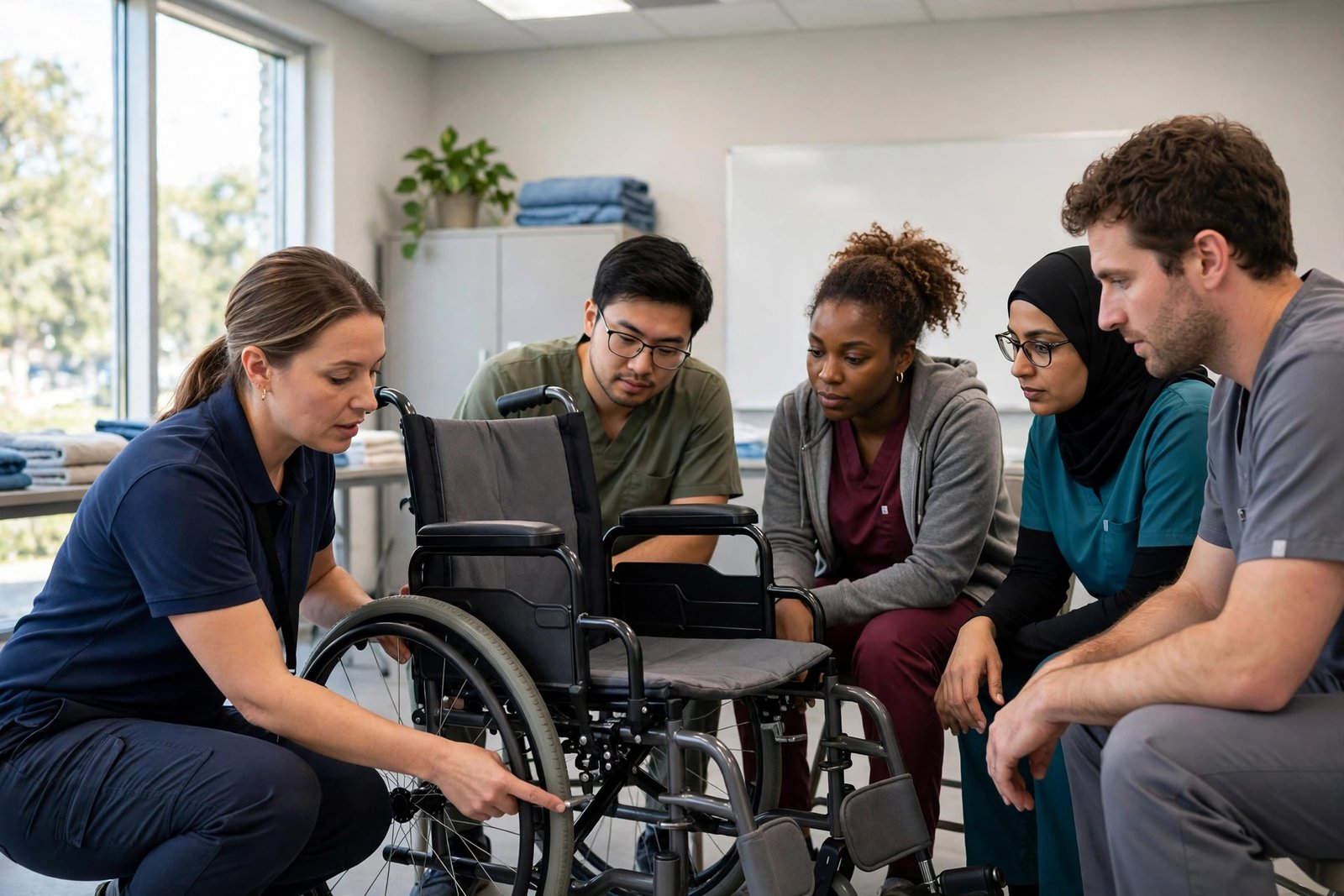
Training sessions build the skills that make caregiver sponsorship jobs applications stand out.
7. What to Avoid
The sponsorship space has more scams than almost any other corner of the job market. Protect yourself with these rules.
- Never pay an upfront “visa fee” or “processing fee” to a recruiter or employer.
- Never trust a job offer that arrives without an interview.
- Never send copies of your passport or bank details to an unverified contact.
- Never sign a contract you cannot read or have not had translated.
- Never believe promises of guaranteed visas — no employer can guarantee an immigration outcome.
- Never work on a tourist visa while “waiting” for sponsorship paperwork; that can destroy your future eligibility.
If something feels wrong, it probably is. A genuine employer welcomes your questions and your caution. A scammer rushes you.
8. Growing Your Caregiving Career in the USA
caregiver sponsorship jobs are often just the beginning. Once you are working in the United States, caregiving opens several paths upward.
- Certified nursing assistant (CNA): Short training programs can qualify you for higher-paying aide roles in facilities.
- Home health aide specialization: Additional certifications can expand the clients you may serve.
- Care coordination: Experienced caregivers sometimes move into scheduling and client-matching roles.
- Nursing pathways: Some caregivers eventually pursue licensed practical nurse or registered nurse training.
Each step usually brings better pay and more responsibility, but each also takes time and study. There is no shame in staying in direct caregiving either — it is skilled, needed work, and experienced caregivers are valued by every good agency.
The key habit is continuous learning. Take the free trainings your employer offers, keep your certifications current, and document your experience carefully. Your record of reliable, compassionate work is the strongest asset you will carry through your career.
Frequently Asked Questions
Do caregiver sponsorship jobs really exist?
Yes, genuine caregiver sponsorship jobs exist, but they are competitive and the process is slow. The key is finding employers who have sponsored workers before and who explain the visa category clearly. Be skeptical of anyone who makes it sound quick and easy.
Which visa do caregivers usually get sponsored under?
There is no caregiver-specific visa. Employers typically use existing employment-based categories that fit the role and the worker’s background. Always confirm the category with official government sources before committing to anything.
Can I apply for caregiver sponsorship jobs without experience?
Most sponsoring employers prefer candidates with caregiving or health support experience, because sponsorship is expensive and they want hires who will succeed. Some training or volunteer experience in elder care will strengthen your application considerably.
How long does the sponsorship process take?
Timelines vary widely by visa category and government processing backlogs. It can take many months or longer. Be wary of any employer or recruiter who promises an exact, short timeline — they cannot control government processing.
Should I pay a recruiter to find me caregiver sponsorship jobs?
No. Legitimate employers pay their own recruiting and petition costs. Demands for upfront payments from you are one of the clearest scam signals in this space.
Can my family come with me?
Dependent eligibility depends on the visa category. Some categories allow spouses and children to accompany the worker; others do not. Ask the employer — and verify on official sources — before making family plans.
What English level do I need for caregiver sponsorship jobs?
You need enough English to communicate clearly with clients, families, and supervisors, and to document your work accurately. You do not need perfect English, but basic conversational ability is essential for safety.
Is caregiving a good long-term career in the USA?
Caregiving offers steady demand because America’s population is aging, and experienced caregivers can advance into certified and supervisory roles. It is physically and emotionally demanding work, so go in with realistic expectations and a plan for ongoing training.
Conclusion
caregiver sponsorship jobs can be a genuine path to working in the United States — but only if you approach them with patience, skepticism, and good information. Understand what sponsorship really means, learn the visa categories by their official names, verify every employer through independent sources, and never pay for promises.
The caregivers who succeed in this journey share two traits: real compassion for the work itself, and the discipline to check every claim before acting on it. Bring both, and you give yourself the best possible chance of turning a dream of working in America into a lawful, stable reality.