
JOB DETAILS — AT A GLANCE
| Detail | Info |
|---|---|
| Category | Remote Jobs UK |
| Location | United Kingdom (home-based) |
| Job Type | Full-time and part-time roles |
| Work Mode | Remote / work from home |
| Education Required | Varies by role; many roles accept GCSEs or equivalent |
| Experience Required | Varies by role; entry-level and experienced roles exist |
| Skills Required | Communication, IT literacy, organisation, self-discipline |
| Salary/Pay | Varies by role — check the official advert; no figure is stated here |
| Who Can Apply | UK residents with the right to work in the UK |
| How to Apply | Apply directly through the employer’s official advert or the GOV.UK Find a job service |
Employment from home uk is one of the most searched phrases by British job seekers, and for good reason. It describes something specific: being genuinely employed by a UK employer while doing your work from your own home. That means a proper employment contract, payslips, tax and National Insurance handled through PAYE, and the same core employment rights as someone who commutes to an office.
This guide explains what employment from home uk really means in practice. You will learn how it differs from freelancing, which rights protect you, what kinds of roles are commonly home-based, how tax relief for homeworking works, and how to apply safely. Everything here is written for the UK: UK law, UK job services, and UK-style applications.
Table of Contents
- 1. Why Employment from Home UK Is Worth Considering
- 2. What Counts as Employment from Home UK: Employed vs Self-Employed
- 3. Key Responsibilities in UK Home-Based Roles
- 4. Skills and Qualifications UK Employers Expect
- 5. Your Rights and Practical Setup as a UK Home Worker
- 6. Career Growth from a UK Home-Based Role
- 7. How to Apply for Employment from Home UK Roles
- 8. What to Avoid: UK Job Scams and Red Flags
1. Why Employment from Home UK Is Worth Considering
The appeal of employment from home uk is simple: you keep the security of employment while skipping the commute. No train fares, no traffic, no expensive city lunches. Many people find they save a meaningful amount each month simply by working from their own desk.
There is also the flexibility. While home-based employees still work agreed hours, many UK employers now offer flexible start and finish times, compressed hours, or hybrid patterns. Since April 2024, employees in the UK have had a day-one right to request flexible working, which strengthened the position of people seeking home-based arrangements.
For parents, carers, people with health conditions, and those living far from major job centres, employment from home uk opens doors that commuting never could. A talented administrator in Cornwall or a customer adviser in the Scottish Highlands can now work for employers based in London, Manchester, or Leeds.
It is worth being realistic too. Home working needs discipline, a suitable workspace, and good communication habits. Employers know this, and the best ones support it with proper equipment, training, and regular check-ins. The sections below show you how to find those employers.
2. What Counts as Employment from Home UK: Employed vs Self-Employed
The phrase employment from home uk means you are an employee, not a freelancer. This distinction matters enormously in the UK because it decides your rights, your tax, and your security.
As an employee working from home, you should receive a written statement of employment particulars from day one, setting out your pay, hours, holiday entitlement, and place of work. Your employer deducts Income Tax and National Insurance through PAYE. You build up rights to paid holiday, statutory sick pay, maternity or paternity leave, and protection against unfair dismissal once you meet the qualifying periods.
Self-employed people working from home are different. They find their own clients, handle their own tax through Self Assessment, and do not get holiday pay or sick pay. Some adverts blur this line, describing “self-employed opportunities” with employee-like control over your hours. If an advert for employment from home uk asks you to register as self-employed but treats you like staff, be cautious and check your employment status with HMRC’s official guidance.
A third pattern is the “worker” category, common with some agencies and gig platforms. Workers get some rights, such as the National Minimum Wage and paid holiday, but fewer than employees. Always read the contract type stated in the advert before you apply.
3. Key Responsibilities in UK Home-Based Roles
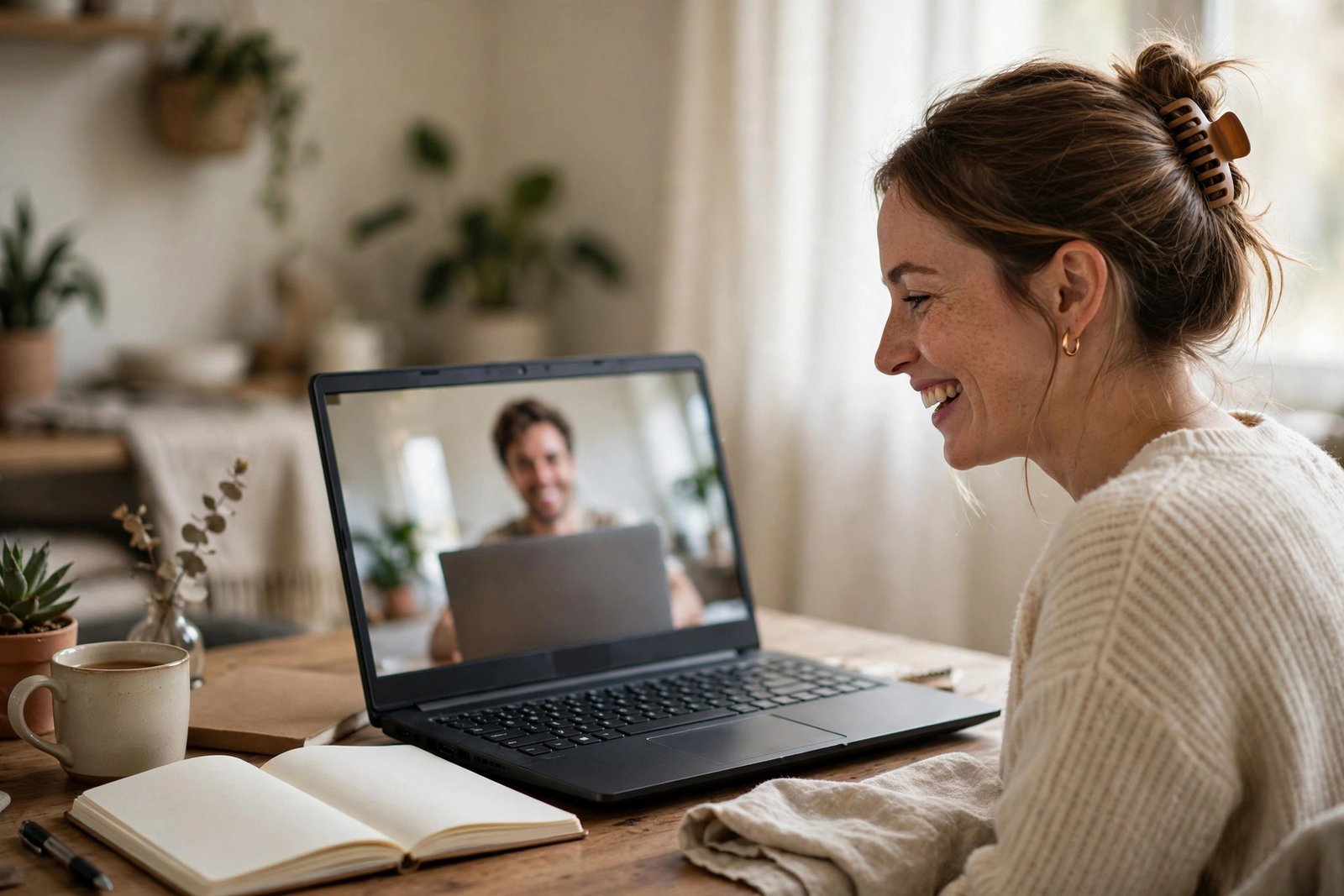
Responsibilities vary by job, but most employment from home uk roles share a common core. Expect duties such as:
- Completing your agreed tasks to the standard and deadlines set by your manager
- Communicating clearly by email, phone, and video call during working hours
- Keeping accurate records of your work in the employer’s systems
- Attending virtual team meetings and one-to-one check-ins
- Following company policies on data protection, confidentiality, and IT security
- Managing your own daily schedule within your contracted hours
- Reporting problems, delays, or IT issues promptly to your line manager
- Completing required training, including health and safety and data protection modules
- Handling customer, client, or internal queries professionally and politely
- Protecting company equipment and keeping your workspace reasonably secure
Customer-facing home roles add responsibilities like answering calls or messages within target times, resolving complaints following company procedures, and logging every interaction accurately. Back-office roles lean more toward data accuracy, document processing, and meeting processing targets.
4. Skills and Qualifications UK Employers Expect
You do not need a degree for many employment from home uk roles. Employers hiring home-based administrators, customer advisers, and data processors usually ask for GCSEs (including English and maths) or equivalent experience, plus solid computer skills.
Across almost all home-based roles, employers look for the same foundation: clear written and spoken English, confidence with email and video calls, accurate typing and data entry, and the ability to learn new software quickly. Familiarity with Microsoft Office or Google Workspace is expected in most office-style roles.
Self-management is the skill employers probe most in interviews. They want evidence that you can start work on time without supervision, prioritise tasks, and ask for help when you are stuck rather than going quiet. Prepare examples from past jobs, volunteering, or study that show you working independently.
Some roles need specific qualifications. Home-based bookkeepers may need AAT qualifications. Remote mortgage or insurance advisers need FCA-regulated qualifications. Technical support roles value CompTIA or vendor certifications. Check the advert’s “essential” versus “desirable” criteria and match your CV to the essential list first.
It also helps to understand UK workplace basics: GDPR and data protection, safeguarding if you work with vulnerable people, and health and safety for display screen equipment. Employers provide training, but showing awareness at interview sets you apart.
5. Your Rights and Practical Setup as a UK Home Worker
UK employment law follows you home. Your contract should state your place of work as your home address and explain any homeworking arrangements, such as who provides equipment and how expenses are handled. Many employers supply a laptop, monitor, keyboard, and headset; some also contribute to broadband or furniture costs. Get this in writing before you start.
You have the right to request flexible working from day one of employment. Your employer must consider the request reasonably and respond within two months. This is useful if you want to adjust your hours around caring responsibilities or shift to a hybrid pattern.
On tax, HMRC allows employees to claim tax relief for additional household costs of working from home, but only in specific circumstances, such as when your job requires you to work from home because your employer has no suitable office. The rules have changed over the years, so check the current guidance on GOV.UK before claiming. Keep records of any extra costs.
Your employer also has health and safety duties for home workers. Expect a display screen equipment assessment, often done as an online checklist, and guidance on setting up your chair, screen, and lighting. Take it seriously: back and eye strain are the most common complaints among home workers.
Practical setup matters as much as legal rights. Aim for a dedicated workspace, even if it is a corner of a room, with a door you can close. A stable broadband connection is essential; test your speed before interviews that involve video calls. Keep a simple daily routine with a defined start, lunch break, and finish time to protect your work-life balance.

6. Career Growth from a UK Home-Based Role
A common worry is that working from home slows your career. It does not have to. Many UK employers now run structured progression for remote staff, with clear paths from adviser to senior adviser, team leader, and beyond.
The key is visibility. In an office, managers see you working; at home, you must make your work visible. Share short weekly updates with your manager, volunteer for projects, and keep a record of your achievements and positive feedback. When appraisal time comes, this evidence speaks for you.
Training is widely available. Apprenticeships can be done remotely, and many employers fund professional qualifications for home-based staff. The National Careers Service offers free guidance on courses and career moves for adults in England, and similar services exist in Scotland, Wales, and Northern Ireland.
Networking needs more effort from home. Join your employer’s staff networks, attend virtual social events, and connect with colleagues on professional platforms. If your industry has a UK professional body, its webinars and local groups are worth joining.
Finally, keep your CV alive. Note new systems you learn, targets you exceed, and responsibilities you take on. Home-based experience is valued by employers across the country, and a strong record makes your next move, whether a promotion or a new employer, much easier.

7. How to Apply for Employment from Home UK Roles
- Search the GOV.UK Find a job service using “home working” or “remote” as keywords.
- Set up email alerts on reputable UK job boards for new home-based adverts.
- Tailor your CV to each advert, mirroring its essential criteria in your own words.
- Write a short cover letter explaining why you suit home-based work specifically.
- Prepare a quiet, well-lit space for video interviews and test your setup in advance.
- Have your right-to-work documents ready, as UK employers must check them.
- Research the employer on its official website before any interview.
- Follow up politely if you have not heard back within the advert’s stated timeframe.
When you apply, read the whole advert carefully. Genuine employment from home uk adverts name the employer, describe the role and contract type, state the location requirements (many require UK residency), and give a clear application route. Vague adverts promising high pay for simple tasks with no company name deserve scepticism, as section 8 explains.
For a broader view of remote options across Britain, our guide to remote jobs in the UK maps the national picture, while UK remote work covers flexible patterns in more depth. If you are specifically interested in admin-style positions, remote home working jobs and fully remote jobs UK are useful next reads.
8. What to Avoid: UK Job Scams and Red Flags
- Never pay a fee to apply for a job or to “unlock” work; genuine UK employers do not charge applicants.
- Be wary of adverts with no company name, no address, and only a mobile number or messaging-app contact.
- Do not share bank details, National Insurance number, or passport copies before a formal offer and proper checks.
- Treat unusually high pay for simple tasks as a warning sign, not a lucky break.
- Avoid “employers” who interview only by text chat and never by video or phone.
- Never accept parcels or payments to forward on; this can be money laundering.
- Check that the employer’s website, Companies House record, and contact details look genuine.
- Report suspected fraud to Action Fraud, the UK’s national fraud reporting centre.
A useful rule: slow down when an offer feels rushed. Scammers create urgency so you stop thinking. A genuine employer hiring for employment from home uk will expect you to ask questions, check details, and take a day to consider an offer.
Frequently Asked Questions
Is employment from home uk the same as freelancing?
No. employment from home uk means you are an employee with a contract, PAYE tax, and employment rights. Freelancing means you are self-employed, find your own clients, and handle your own tax. The two are taxed and protected very differently in the UK.
Do I need the right to work in the UK for these roles?
Yes. UK employers must carry out right-to-work checks on every employee, including home-based staff. Most employment from home uk adverts require you to be resident in the UK, and some roles need you to be in a specific nation or region.
Can I claim tax relief for working from home?
In some circumstances, HMRC allows employees to claim tax relief for additional household costs of working from home, for example when your job requires it. The rules are specific and have changed over time, so check the current guidance on GOV.UK before making a claim.
Will my employer provide equipment?
Many do. It is common for UK employers to supply a laptop, monitor, keyboard, mouse, and headset for home-based roles. Some also help with broadband or furniture costs. Ask what is provided before you accept an offer, and get it confirmed in writing.
How do interviews for home-based roles usually work?
Most involve a video interview, sometimes preceded by a phone screening or online assessment. Employers also check your right to work and take up references. Prepare as you would for any interview, and test your camera, microphone, and internet connection beforehand.
Are home-based jobs suitable for beginners?
Yes, many are. Customer service, administration, and data processing roles often welcome applicants without previous remote experience, as long as you can show reliability, communication skills, and basic IT confidence. Our broader remote jobs in the UK guide lists beginner-friendly options.
What is the biggest mistake applicants make?
Applying with a generic CV. Home-based employers want evidence of self-discipline, communication, and IT skills. Tailor every application to the advert’s essential criteria and give concrete examples of working independently.
Conclusion
Employment from home uk offers something rare: the security of a proper UK job with the freedom of working from your own home. The fundamentals are the same as any employment: a clear contract, fair pay through PAYE, and rights that follow you to your home desk. What changes is how you find these roles, how you prove you can thrive remotely, and how carefully you check each opportunity.
Start with official sources like the GOV.UK Find a job service, keep your applications tailored and honest, and never pay to get hired. With the right setup and habits, home-based employment in the UK can be the start of a stable, rewarding career. For more detail on flexible patterns, see our UK remote work guide next.